Skip to content

WShakespeare.com

Where Shakespeare Lives Forever

  • Poems
  • Sonnets
  • Biography
  • Reference
A Renaissance-style scene of two poets sharing inspiration from the same nobleman, symbolizing rivalry and acceptance in Sonnet 82.

Sonnet 82: I Grant Thou Wert Not Married to My Muse

Read Sonnet 82 by William Shakespeare with the full poem, meaning, themes, and a clear literary analysis.

A Renaissance-style study filled with old manuscripts depicting past beauties, contrasted with a vivid nobleman, symbolizing timeless beauty in Sonnet 106.

Sonnet 106: When in the Chronicle of Wasted Time

Read Sonnet 106 by William Shakespeare with the full poem, meaning, themes, and a clear literary analysis.

A Renaissance-style scene of a calm nobleman in golden light as a storm fades behind him, symbolizing survival, enduring love, and poetry outlasting fear in Sonnet 107.

Sonnet 107: Not Mine Own Fears, Nor the Prophetic Soul

Read Sonnet 107 by William Shakespeare with full poem, meaning, themes, and a clear literary analysis.

A Renaissance-style scene of an older Shakespeare sitting at a desk in soft evening light, reflecting on his life and work.

Shakespeare’s Later Life and Death

Explore Shakespeare’s final years, retirement in Stratford, late plays, will, death, and lasting legacy in this in-depth biography.

Sonnet 75: So Are You to My Thoughts as Food to Life

Read Shakespeare’s Sonnet 75 with the full poem and a detailed analysis of its themes of desire, emotional hunger, and the cycles of love.

A Renaissance-style image of a solemn young man associated with death and remembrance, symbolizing mourning, loss, and the speaker’s wish to be forgotten in Shakespeare’s Sonnet 71.

Sonnet 71: No Longer Mourn for Me When I Am Dead

Read Shakespeare’s Sonnet 71 with the full poem and an in-depth analysis of its themes of love, death, mourning, and emotional selflessness.
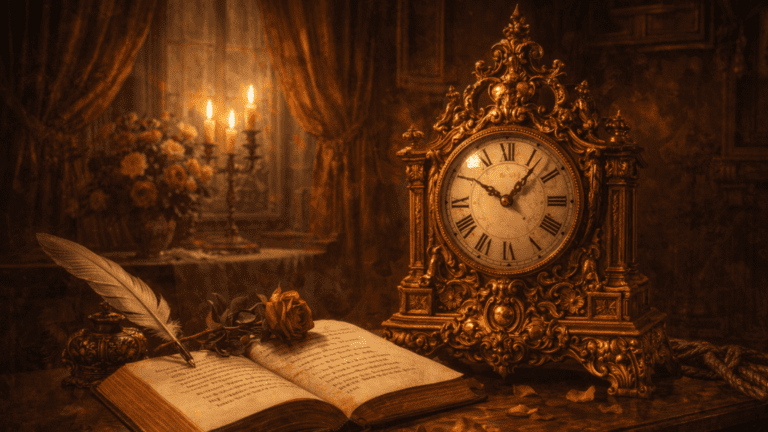
Sonnet 17: Who Will Believe My Verse in Time to Come

Read Shakespeare’s Sonnet 17, “Who Will Believe My Verse in Time to Come,” in full with a clear analysis of truth, beauty, and poetic legacy.

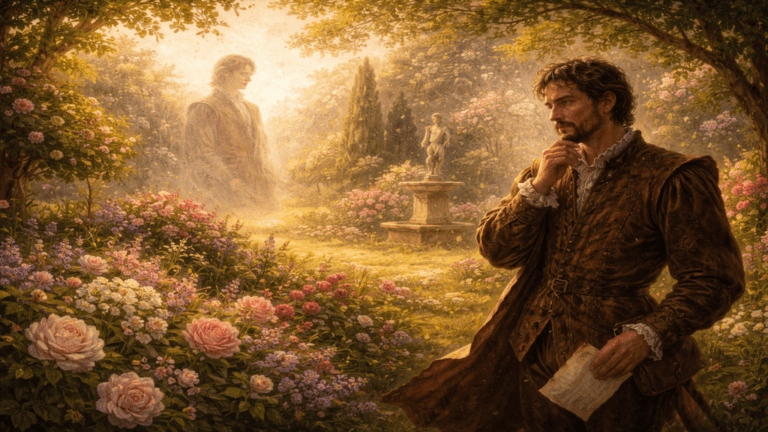
A Renaissance-style garden with a young nobleman surrounded by both blooming and fading plants, symbolizing growth, time, and decay in Sonnet 15.

Sonnet 15: When I Consider Every Thing That Grows

Read Shakespeare’s Sonnet 15 with the full poem and a detailed analysis of its themes of time, decay, destiny, and poetic immortality.
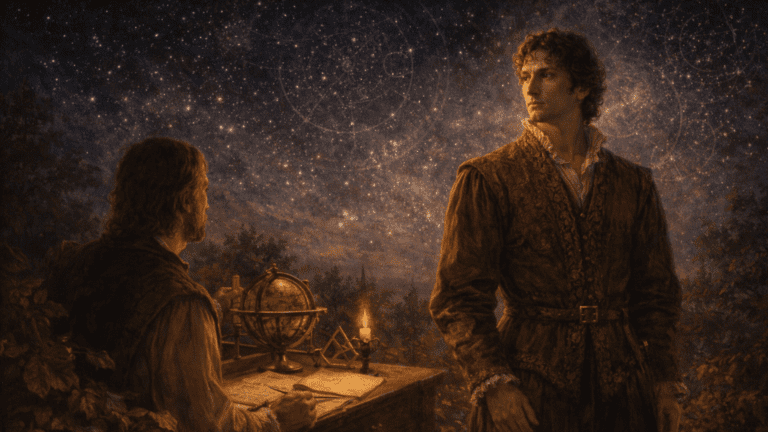
A Renaissance-style scene of a poet turning away from stars and astrological tools toward a nobleman, symbolizing truth found in human beauty rather than the heavens in Sonnet 14.

Sonnet 14: Not From the Stars Do I My Judgment Pluck

Read Shakespeare’s Sonnet 14 with the full poem and a detailed analysis of its themes of knowledge, prophecy, beauty, and legacy.

Older posts
Newer posts
← Previous Page1 Page2 Page3 Page4 … Page9 Next →
+ More

About

WShakespeare.com offers Shakespeare’s works, clear analyses, and guides designed to make his writing accessible to modern readers.

Recent Posts

  • Sonnet 79: Whilst I Alone Did Call Upon Thy Aid
  • Sonnet 89: Say That Thou Didst Forsake Me for Some Fault
  • Sonnet 95: How Sweet and Lovely Dost Thou Make the Shame
  • Sonnet 105: Let Not My Love Be Called Idolatry
  • Sonnet 74: But Be Contented When That Fell Arrest

Looking for something

© 2026 WShakespeare.com. All rights reserved.
Next Page »
  • Poems
  • Sonnets
  • Biography
  • Reference